
These days, more and more businesses depend on digital systems. However, managing IT infrastructure is no easy task as it can be complicated and expensive. Many struggle with rising operational costs, downtime risks, scalability, and security. Due to this, more businesses are now using a colocation data center to reduce the burden of maintaining systems internally while improving reliability. With a colocation data center, businesses can keep ownership of their servers while still enjoying facilities designed for power, cooling, connectivity, monitoring, and physical security.
What is a Colocation Data Center?
A colocation data center refers to a place where businesses can store their servers, storage systems, and network equipment while using the shared infrastructure services provided by the data center operator. Organizations usually use this to avoid the hefty costs due to building and maintaining an internal server room, as colocation data center providers can provide all the needed power, cooling, connectivity, monitoring, and security.
On-Premise vs Cloud Infrastructure
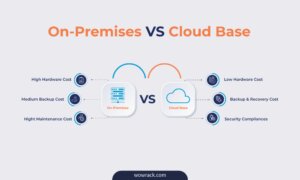
Having a traditional on-premise infrastructure means you need to be responsible for managing servers, cooling systems, electricity, networking, and physical security, putting pressure on IT teams and often increasing costs. On-premises is preferred by businesses that want to have complete control over their hardware and sensitive data.
Cloud infrastructure, on the other hand, allows you to rent computing resources virtually from cloud providers, thus giving more flexibility.
A colocation data center is a middle-ground solution that gives businesses the best of both worlds. With it, businesses can still own and manage their hardware while utilizing enterprise-grade infrastructure, security, and connectivity that are provided by the data center facility.
Why Businesses Use Colocation Data Center
Most companies move to a colocation data center because maintaining the whole infrastructure internally gets more difficult over time. Operating bills will also pile up due to requirements in cooling, electricity, security, and maintenance. As the business grows, these costs can also increase significantly. A colocation data center helps solve all that and allows internal IT teams to focus on business operations instead of managing facility-related problems. For businesses requiring reliable infrastructure without wanting to build or manage their own data center, colocation services can be a practical and scalable option.
7 Signs Your Business Needs a Colocation Data Center
Below are seven signs that your business may need to consider moving to colocation data center:
Your IT Infrastructure Costs Keep Increasing
Managing infrastructure entirely in-house can significantly increase operational costs. With the rising costs on energy, having to invest in appropriate extra cooling, electricity, maintenance, and physical security every time your business grows can significantly increase costs. Colocation data center can help save you from this as it allows businesses to use shared infrastructure that is already optimized for enterprise workloads instead of managing everything independently
Frequent Downtime Is Hurting Your Business
When downtime occurs, it affects not just operations but also employee productivity and can eventually lead to loss of revenue and customer trust. According to a Gartner study, the average cost of downtime is approximately $5,600 per minute, highlighting the financial impact that outages can have on a business. Many downtime incidents occur because internal server rooms lack redundant power systems, backup connectivity, and environmental controls needed for high availability. A colocation data center can help reduce these risks through redundant infrastructure designed to improve reliability and business continuity.
You Lack Reliable Backup and Disaster Recovery
All businesses that use digital systems need a proper disaster recovery planning. When there are no backup systems and infrastructure redundancy in place, hardware failures or outages can create serious problems for business operations. A colocation data center can prevent this by supporting disaster recovery strategies through a reliable infrastructure that is equipped with redundant power systems, backup generators, cooling systems, and secure environments all designed for business continuity.
Your Current Setup Can’t Handle Growth
What often happens when a business expands is that the infrastructure requirements will also grow quickly, and the business can’t catch up with it. For example, internal server rooms may run out of power capacity, cooling capability, or physical space. Partnering with a colocation data center provider can prevent this as they offer a more scalable environment that supports business growth without requiring organizations to rebuild their internal facilities from scratch.
Security Risks Are Increasing
Cyber threats are evolving each day, and these days, businesses of all sizes need to watch out for the growing cybersecurity and physical security risks. Some companies’ on-premises data centers may not have the monitoring systems, access controls, or dedicated security measures needed to face these security threats. The good news is that colocation data center facilities are equipped with adequate physical security protections such as surveillance systems, biometric access, monitoring, and restricted access areas to ease the security burdens on companies looking for a secure data center to store their hardware in.
Your IT Team Is Overwhelmed
When your internal IT team becomes responsible for all the infrastructure management, troubleshooting, maintenance, security, as well as daily operational tasks, it can be easy for them to feel burnt out or overwhelmed, creating pressure and eventually reducing productivity or efficiency. Partnering with a colocation data center provider can help reduce this burden on your IT team, and they can instead focus more on critical projects and system optimization.
Compliance and Data Regulations Are Hard to Meet
Many businesses need to follow strict compliance and data protection requirements, and ensuring your business is always compliant with those rules can take a lot of time, effort, and money. Colocation data center providers help businesses support compliance efforts through providing a secure facility, controlled environments, monitoring systems, and infrastructure standards designed for enterprise operations.
How to Choose the Right Colocation Data Center Provider
Picking the right provider for your business is crucial as it affects long-term stability and business performance. Here are some of the things you need to look out for before making a deal with them:
Check Data Center Tier Level and Location
Evaluate the provider’s infrastructure standards, their facility’s reliability, as well as geographic location before signing a partnership deal. These are all important as they can affect the business’ connectivity, redundancy, and disaster recovery planning. For example, a colocation data center that has a strategic location may have better connectivity.
Look at SLA and Support
Service Level Agreements or SLAs, technical support availability, and monitoring services are also factors to consider when choosing a provider to ensure that in the future, if issues happen, the provider can resolve them quickly and the business can maintain uninterrupted operations.
Colocation Data Center Solutions in the USA
Building and maintaining a data center requires significant investment in facilities, power, cooling, and security. For many businesses, colocation offers a more practical alternative. Wowrack provides colocation services that allow organizations to house their equipment in a secure data center while benefiting from reliable infrastructure, network connectivity, and ongoing support from experienced engineers.
Conclusion
Business growth often brings infrastructure management challenges as maintaining them can become more difficult and expensive as well. Rising operational costs, downtime risks, scalability challenges, and security threats are among the common reasons why businesses move to a colocation data center. With services provided by colocation data center, businesses can improve reliability, reduce infrastructure complexity, and support long-term growth with a more stable and scalable environment.