
Business data is everywhere—on laptops, USB drives, emails, and cloud apps. This makes work faster, but also harder to control. One wrong click, one lost device, or one insider mistake can cost millions.
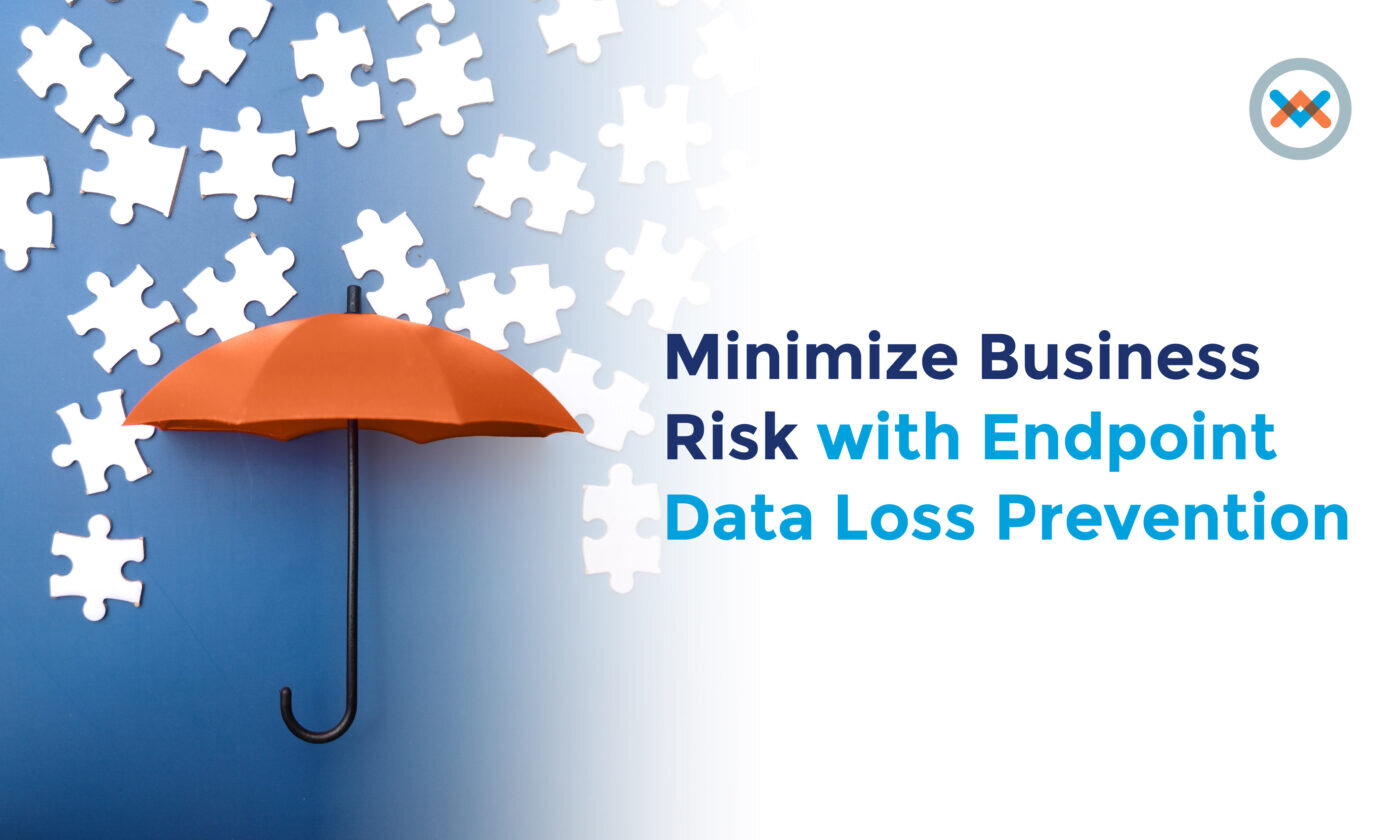
That’s where Endpoint Data Loss Prevention comes in. It’s a way to keep sensitive information safe on every device your people use, from workstations to mobile phones. For businesses, it’s not just another tool. It’s a shield against financial loss, compliance headaches, and broken trust.
What Is Endpoint DLP (and Why It Matters)?
Endpoint Data Loss Prevention (Endpoint DLP) is software installed on company devices to stop sensitive data from leaving in unsafe ways. Think of it as a digital security guard—monitoring how files are copied, shared, or transferred, and blocking risky activity before it causes damage. Examples include solutions from Microsoft, Symantec, and Forcepoint, which run quietly in the background to monitor activity and block data leaks before they happen.
In practice, Endpoint DLP works by:
- Monitoring how data moves across devices.
- Enforcing rules about what can be copied, emailed, or uploaded.
- Blocking risky actions like someone saving client data to an unencrypted USB.
Why Businesses Can’t Ignore Endpoint Data Protection
Protecting Sensitive Data
Customer records, financial reports, product designs—this is the information that keeps a business running. Endpoint DLP ensures it never walks out the door, whether by accident or intent.
Preventing Insider Threats and Human Errors
Not all risks come from hackers. A misdirected email or a stolen laptop can expose confidential data. Endpoint DLP software reduces these risks by blocking unsafe actions before they happen.
Mitigating Risks of Cyberattacks
Phishing, malware, and ransomware are all designed to steal or lock data. Endpoint DLP adds a layer of defense by stopping sensitive files from leaving—even if attackers get inside.
Supporting Compliance and Regulatory Requirements
In regulated industries like finance, healthcare, or government, Endpoint DLP helps meet HIPAA, PCI-DSS, and GDPR requirements. It enforces policies and creates audit trails to prove sensitive data is handled properly.
Key Features of Endpoint DLP Solutions
Real-Time Data Monitoring
Track data usage across endpoints continuously, flagging risky behavior the moment it happens.
Encryption and Policy Enforcement
Apply rules that encrypt sensitive files automatically and enforce company policies wherever data travels.
Device Control and Access Management
Block unauthorized devices like USB drives or external storage from being used to transfer company data.
Incident Reporting and Analytics
Get detailed visibility into attempted data leaks, complete with analytics for better risk management.
Business Risks Without Endpoint DLP
Without Endpoint DLP, businesses face:
- Financial Loss: Millions in remediation, downtime, and lost opportunities.
- Compliance Penalties: Heavy fines for mishandling sensitive data.
- Reputation Damage: Customers trust vanishes fast and is costly to rebuild.
How to Implement Endpoint DLP Successfully
Assess Business Needs and Risks
Identify which data is most valuable and how it could leave your network.
Choose the Right Endpoint DLP Solution
Select a platform that integrates with your devices, workflows, and compliance requirements.
Define and Enforce Security Policies
Set clear rules for data use, aligned with business priorities, and make sure the DLP solution enforces them consistently.
Train Employees and Conduct Regular Audits
Technology works best when people understand it. Training and audits keep your defenses active and effective.
Don’t Wait for a Data Loss Event
Endpoint DLP is more than a tool — it’s a shield for your business. By preventing sensitive data from leaving endpoints, you reduce risk, maintain compliance, and build trust.
Don’t leave endpoint data protection to chance. Contact Wowrack today to explore the right Endpoint DLP strategy for your organization and gain a trusted partner in cybersecurity.