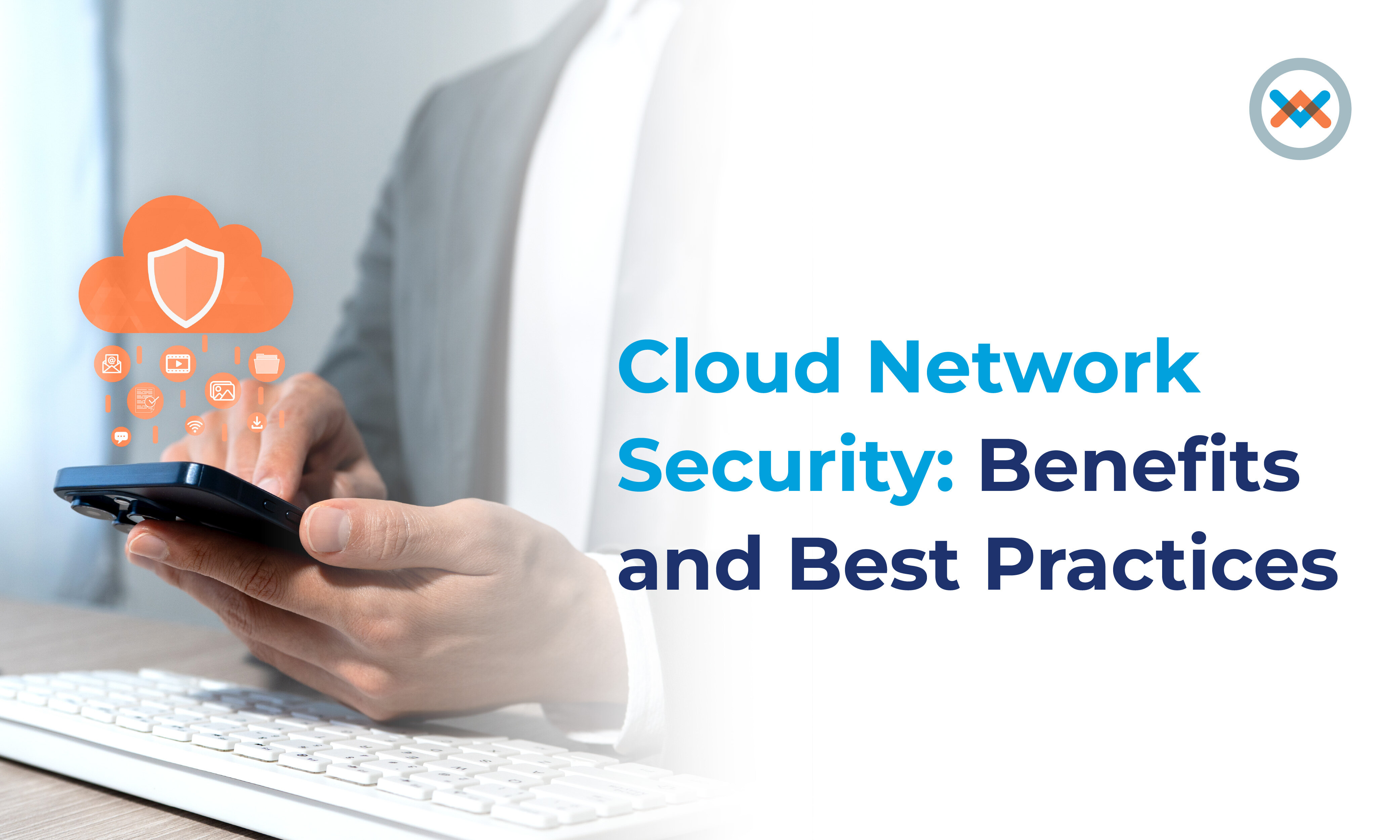

According to Colorlib, 94% of companies worldwide use cloud computing. As businesses move more applications, workloads, and data to the cloud, protecting their networks and cloud environments becomes increasingly important. While cloud computing offers flexibility and scalability, it also introduces security challenges involving access controls, misconfigurations, APIs, and data movement.
Without the right protections in place, a single misconfiguration or compromised account can expose critical systems. Cloud network security helps protect businesses through access controls, monitoring, encryption, network segmentation, and threat detection.
What is Cloud Network Security?
Cloud network security refers to the technologies, policies, and practices used to protect cloud-based networks, applications, workloads, and data from unauthorized access and threats.
Cloud is highly distributed, which is different from on-premises infrastructure. Applications, databases, users, and services communicate across different networks and cloud platforms, which requires more than one layer of protection instead of relying on a single tool. These layers usually include network segmentation, IAM, encryption, firewall, threat detection, and monitoring.
Unlike many traditional on-premises environments, cloud infrastructure can span multiple networks, services, and locations. Because applications, databases, and users interact across these environments, effective protection requires multiple layers of security rather than relying on a single tool. These layers commonly include network segmentation, identity and access management (IAM), encryption, firewalls, threat detection, and continuous monitoring.
Core Components of Cloud Network Security
Below are some of the core components of cloud network security:
Network Segmentation and Isolation
Network segmentation separates cloud environments into smaller sections, preventing unnecessary interaction between workloads. This helps contain potential threats and limits attackers' ability to move laterally across the network if a system is compromised.
Identity and Access Management (IAM)
IAM controls who can access cloud resources and what actions they are allowed to perform. Strong authentication, role-based access control, and the principle of least privilege can help reduce the risk of unauthorized access.
Encryption and Data Protection
Encryption helps protect sensitive data, both at rest and in transit, from unauthorized access. By making information unreadable without the appropriate decryption keys, encryption reduces the risk of data exposure if encrypted information is intercepted or accessed without authorization.
Threat Detection and Prevention
Cloud environments should always be monitored to detect abnormal activity, suspicious access attempts, malware, and other threats. Early detection allows teams to investigate and respond before an issue becomes a bigger problem. Threat detection and continuous monitoring usually rely on:
- Activity logging: recording user access, configuration changes, and system events so teams know the timeline of what happened during an investigation
- Intrusion detection: monitoring systems and networks for unusual behavior, unauthorized access attempts, or unusual traffic
- Automated alerts: notifying the IT team when unusual activity occurs so it can be addressed quickly
Because cloud environments change constantly as new applications, users, or workloads are added, monitoring should be an ongoing practice rather than a one-time setup.
Firewall and Network Traffic Control

Firewalls and network security controls help regulate traffic entering, leaving, and moving within cloud environments. Technologies such as next-generation firewalls, cloud security groups, and network access control lists allow businesses to restrict unauthorized connections and enforce security policies across their infrastructure.
Key Benefits of Cloud Network Security
Implementing effective cloud network security helps businesses protect their cloud infrastructure while maintaining reliable operations. Some of the key benefits include:
Reduced Risk of Unauthorized Access
Access controls and network security policies help prevent unauthorized users from accessing sensitive systems and resources.
Improved Threat Visibility
Continuous monitoring and threat detection provide greater visibility into suspicious network activities, allowing security teams to identify and investigate potential threats.
Limited Threat Propagation
Network segmentation and isolation help restrict lateral movement, reducing the potential impact of compromised workloads.
Stronger Business Continuity
Proactive security measures and effective incident response capabilities help businesses minimize disruptions caused by security incidents.
Cloud Security Best Practices
Effective cloud network security requires more than deploying security tools. It also requires clear policies, regular maintenance, and consistent monitoring to reduce risk over time.
Regularly Patch and Update Cloud Environments
Outdated operating systems, applications, and software can contain known vulnerabilities. Regular security patching helps address known vulnerabilities before attackers can exploit them.
Perform Regular Security Assessments
Businesses should routinely assess their cloud environment as a whole. These assessments can include reviewing access permissions, identifying misconfigurations, and evaluating existing security measures.
Secure Cloud APIs and Interfaces
APIs connect applications and cloud services, which makes them an important part of the attack surface. Authentication, authorization, encryption, and monitoring should all be applied to protect these interfaces.
Secure Cloud Configurations
Misconfigured cloud resources can expose databases, storage, or applications to the public internet. Reviewing configurations regularly helps ensure the cloud environment follows established security policy.
Provide Security Training for Internal Teams
Human error remains a common security risk. Understanding security policy, phishing risks, access management, and how to handle sensitive information can help reduce that risk.
How to Build a Cloud Security Implementation Roadmap
Assess Current Infrastructure
Identify workloads, applications, data, users, and existing security controls. This provides a clearer understanding of the organization's existing security posture and potential areas of exposure.
Define Security Requirements
Requirements should be based on business needs, the sensitivity of the data involved, regulatory obligations, and the risk associated with each workload.
Select a Relevant Security Framework
Security frameworks provide guidance for managing a security program. Businesses can use an established framework to build more consistent security policies and controls.
Design the Security Architecture
The security architecture should define how network segmentation, access controls, encryption, firewalls, and monitoring tools work together to protect cloud workloads.
Develop Security Policies and Controls
Clear policies help establish consistent practices across the company, including access policies, password requirements, incident response procedures, and data protection guidelines.
Implement Security Measures
Once the strategy is in place, businesses can deploy the technical controls, including firewalls, IAM tools, endpoint protection software, encryption, and threat detection systems.
Revisit the Roadmap as the Environment Changes
A cloud security roadmap should evolve alongside the organization's infrastructure, business requirements, and threat landscape. As new applications and workloads are added, steps 1 through 6 should be revisited so the strategy keeps up with business needs instead of becoming outdated.
The Importance of Cloud Security Assessments
Cloud security assessments help businesses identify where vulnerabilities and security gaps exist within their infrastructure. Instead of waiting for an incident to expose weaknesses, organizations can proactively identify and address potential risks. A complete assessment typically includes:
- Configuration and Access Review: checking for exposed resources, excessive permissions, and other settings that increase risk, focused on whether these settings have changed since they were last secured, rather than a first-time check of whether configurations are correct.
- Compliance Gaps: identifying where existing controls may fall short of the security and data protection requirements that apply to the industry.
- Vulnerability Scanning: identifying known weaknesses across the cloud infrastructure and prioritizing them based on potential impact.
- Incident Response Readiness: testing how effectively the business can detect and respond to security incidents, helping identify gaps before an actual incident occurs.
Cloud Security Frameworks to Consider
Security frameworks provide structured guidance for managing security risk. Below are a few commonly used frameworks:
Cloud Security Alliance Cloud Controls Matrix (CCM)
The CCM provides security controls designed specifically for cloud environments and can help businesses evaluate security responsibilities and identify areas that need protection.
NIST Cybersecurity Framework
NIST provides a structured approach to managing security risk by identifying risks, protecting systems, detecting threats, responding to incidents, and recovering from disruptions.
Businesses do not have to follow a single framework exactly. What matters most is building a security strategy that fits the infrastructure, data sensitivity, regulatory needs, and goals of the organization.
Strengthening Cloud Network Security with the Right Partner
Managing cloud network security becomes more complex as infrastructure grows. Businesses need to protect multiple workloads, manage user access, monitor network activity, and maintain controls across different environments, which is not an easy task.
That is why partnering with an experienced provider can ease this burden. A third-party provider like Wowrack can help provide cloud infrastructure and managed services to help businesses operate more securely. With infrastructure expertise, monitoring, and professional support, companies can strengthen their security posture while allowing internal teams to focus on core business activities.
Conclusion
Cloud network security is essential for protecting applications, data, and workloads as businesses expand their cloud infrastructure. By combining network segmentation, access controls, encryption, continuous monitoring, and regular security assessments, organizations can reduce exposure to threats and strengthen their security posture.
As cloud environments become more complex, maintaining effective security requires the right expertise, processes, and technologies. Wowrack helps businesses manage their cloud infrastructure and security requirements through cloud services and managed solutions. Explore Wowrack's cloud services to learn how the right infrastructure can support your business operations.