
APIs connect apps, services, and data in modern cloud environments, making them essential to business operations. Protecting APIs is also an important part of cybersecurity, as insecure APIs can expose app functions and sensitive data to unauthorized access. According to Akamai's 2026 API Security Study, 87% of organizations experienced at least one API-related security incident in the past 12 months.
What is Cloud API Security?
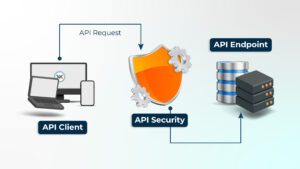
Cloud API security refers to the controls and practices used to protect APIs that run in or connect to cloud environments. APIs enable different apps and services to communicate with one another, which can also expose app functions and sensitive data when they are not secured properly. A good API security strategy includes authentication, authorization, encryption, input validation, traffic management, monitoring, and routine maintenance. Together, these help companies protect API endpoints while keeping the app accessible to whoever needs to use it.
API Security Fundamentals
Below are some fundamental controls that form the foundation of effective API security:
Authentication and Authorization
Authentication verifies the identity of the user, app, or service requesting access to an API, while authorization decides what the approved identity can access or do. A user can be authenticated but still lack permission for certain data or actions, which is why it is important to keep the two controls separate. Least privilege access should also be applied, so users and services get only the permissions they really need.
Encryption and Data Protection
To protect data from unauthorized access, encryption is important. Encryption in transit protects data as it moves between clients, APIs, and other services, while encryption at rest protects stored data.
Input Validation and Secure Data Handling
To prevent malicious data from reaching backend systems, input validation is important, since an API should not automatically trust the data it receives from users or other services. The app should also control the information returned in API responses, so the API does not expose more data than the user or service needs.
OWASP API Security Top 10
The OWASP API Security Top 10 is a reference list of common API security risks. Below are the risks from the 2023 list:
Broken Object Level Authorization
A user can access objects or records that they should not be allowed to access.
Broken Authentication
Improper authentication gives attackers a way to compromise user identities or tokens.
Broken Object Property Level Authorization
The API exposes or allows changes to object properties even without proper authorization.
Unrestricted Resource Consumption
Bandwidth, CPU, memory, storage, or other resources are consumed by too many API requests.
Broken Function Level Authorization
Functions or operations meant for different roles can be accessed by users who should not have access.
Unrestricted Access to Sensitive Business Flows
Operational or financial impact can result when a critical business function is automated and abused.
Server-Side Request Forgery
An attacker manipulates the API into sending requests to an unintended destination.
Security Misconfiguration
APIs and their supporting systems can be exposed and attacked when there are mistakes in security settings or configuration.
Improper Inventory Management
Unknown, outdated, and undocumented APIs can create additional security risks.
Unsafe Consumption of APIs
Third party APIs can expose an app to attacks when their security controls are weak.
OWASP provides this list to help developers, architects, security teams, and companies stay aware of the risks when working with APIs.
Best Practices for Securing Cloud APIs
For the best results, API security needs more than one layer of protection instead of relying on a single security control.
Manage API Traffic
To prevent API resources from being overwhelmed, companies can apply rate limits and control traffic. Traffic control can also reduce the impact of automated abuse by identifying unusual request patterns.
Monitor and Log API Activity
Monitoring API activity helps teams spot unusual access patterns, failed authentication attempts, and other suspicious activity. Logs must also provide enough information to investigate security events without exposing sensitive information unnecessarily.
Use an API Gateway and Management Tools
An API gateway provides a central point to manage API traffic and apply security policies. It can also support authentication, access control, traffic control, and request routing depending on the environment.
Keep APIs and Dependencies Updated
Regular maintenance is needed to address vulnerabilities in API frameworks, libraries, operating systems, and supporting infrastructure. Companies should also delete endpoints that are no longer needed and review old APIs.
Handle Errors Securely
API error messages should give legitimate users and developers enough information to understand what happened, without exposing sensitive technical details. Avoid exposing credentials, internal system information, database information, and unneeded debug information.
Consider Compliance Requirements
API security needs vary by industry, location, and the type of data being processed, so companies need to understand their regulatory and contractual requirements and build them into their security controls and policies.
Choosing the Right API Security Solution
To secure cloud APIs, a company must choose an approach that aligns with its apps, infrastructure, data, and security needs. When evaluating a security strategy, it should consider authentication, access control, monitoring, traffic control, compliance, and ongoing maintenance.
For businesses that need additional cybersecurity and infrastructure support, Wowrack can provide managed IT and cybersecurity services so the business can protect its IT environment and manage it well. Ultimately, the best strategy is one that fits the company's existing environment, API needs, and overall security strategy.
Conclusion
When implemented the right way, cloud API security helps protect modern apps and all the data they connect to. With strong authentication and authorization, encryption, input validation, traffic management, monitoring, and routine maintenance, companies can reduce API security risks. By combining these steps and understanding API threats clearly, companies can build a strong security foundation for their cloud apps.