
Processing data from connected devices, sensors, and other sources is common in cloud-based applications. However, sending all this data directly to a centralized cloud can increase latency and bandwidth usage, especially for applications that need quick responses. A 2024 survey published in ACM Computing Surveys by Ferreira, Coelho, and Pereira found that edge and fog deployments achieved an average of 41% lower latency than cloud deployments in the best-case scenarios reviewed. Fog computing helps address this challenge by adding a processing layer closer to where data is generated, allowing information to be processed locally before reaching the cloud. This helps applications respond faster while reducing unnecessary data transfers.
Definition
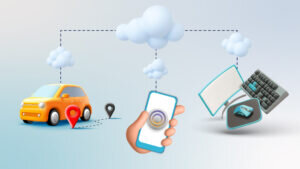
Fog computing is a distributed computing model that brings processing and storage closer to the devices that generate data. Instead of sending all of the data directly to a centralized cloud, some processing happens in fog nodes, an intermediate layer located between edge devices and the cloud.
Fog Computing Architecture
A basic fog architecture is made up of three layers:
- Edge devices: sensors, cameras, machines, and other connected devices generate data through them.
- Fog nodes: process data closer to the source.
- Cloud: handles centralized storage, advanced analytics, and larger processing loads.
How Does Fog Computing Work with Cloud-Based Applications?
Here are the steps of how fog computing works with cloud-based apps:
Data Is Generated at the Edge
Sensors, cameras, machines, vehicles, and other IoT devices are connected and can generate data continuously.
Data Is Sent to a Nearby Fog Node
To reduce the distance data needs to travel before being processed, instead of traveling to a central cloud environment, data is sent to a nearby fog node.
The Fog Node Processes and Filters the Data
Because only relevant information needs to be sent to the cloud, the fog node analyzes, filters, and aggregates data locally.
Relevant Data Is Sent to the Cloud
The cloud receives data that needs centralized storage, analytics, or further processing.
The Cloud Sends Insights or Instructions Back
To create a continuous flow between edge devices, fog nodes, and cloud infrastructure, the cloud sends insights and instructions back to the app or connected device.
7 Benefits for Cloud-Based Applications
Below are some of the top fog computing benefits for cloud-based apps:
Reduces Application Latency
Fog computing is useful for apps that require a fast response, like industrial monitoring and connected vehicles, because processing data closer to the source saves the time it would take to send information to the cloud and get a response.
Reduces Cloud Bandwidth Consumption
Fog nodes reduce the amount of information traveling across the network and help apps use bandwidth more efficiently, since they filter and aggregate data before sending it to the cloud.
Enables Real-Time Data Processing
Local processing benefits apps that need fast decisions. Fog compute makes this possible, since data can be analyzed close to where it is generated instead of relying entirely on a centralized cloud.
Reduces Cloud Storage and Processing Costs
Filtering data locally can reduce storage and processing needs depending on the workload, since it reduces the volume of data sent to the cloud and not all generated data needs to be stored or processed there.
Improves Data Privacy and Security
Processing information closer to the source can reduce the amount of sensitive data that moves across the network. That said, a distributed fog environment still needs proper security controls for each node.
Improves Application Reliability
To help apps stay responsive in environments with inconsistent network availability, some processing can continue locally when connectivity to the cloud is limited.
Supports Scalable IoT Deployments
For IoT environments with a large number of connected devices and a large volume of data, fog computing can help by distributing processing across more than one location.
Fog Computing vs Cloud Computing
Below are some of the differences between fog computing and cloud computing:
Processing Location
Fog computing happens close to the device, while cloud computing relies on a centralized cloud.
Latency
Fog computing's latency is generally lower than cloud computing's.
Bandwidth
Fog computing can reduce cloud traffic, while cloud computing allows more data to travel to the cloud.
Real-time Processing
Fog computing is well suited for real time processing needs, while cloud computing depends more on connectivity and load.
Infrastructure
Fog computing's infrastructure is more distributed, while cloud computing's is more centralized.
Best Suited For
Fog computing is better suited for IoT and time sensitive workloads, while cloud computing is better suited for storage, analysis, and large processing needs.
Fog computing and cloud computing are not alternatives to each other. Fog computing handles processing close to the source, while cloud computing provides centralized infrastructure for storage, analytics, and larger workloads. More on how the two work together is covered below.
Use Cases for Cloud-Based Applications
Below are some real-world applications of fog computing for cloud-based apps:
Smart Manufacturing
Fog computing can help manufacturers identify equipment problems and respond to production issues quickly by processing data from machines and sensors locally.
Smart Cities
Local processing in fog computing can help smart city apps respond faster without sending every data point to the cloud, since traffic, environmental sensors, and public infrastructure together generate a large amount of data.
Healthcare
Fog computing can support local processing for time sensitive apps, while the cloud handles centralized storage and analysis, since connected medical devices generate patient and equipment data continuously.
Connected Vehicles
Processing information locally can help vehicle apps that need a fast response, since vehicles generate data from cameras, sensors, navigation, and other components.
Smart Grid
Fog nodes can help systems monitor demand and equipment condition more efficiently by processing information from connected electrical infrastructure locally.
When Should You Use Fog Computing?
You may want to consider using fog computing when your app:
- Needs low latency or near real time processing
- Generates a large volume of IoT data
- Has a limited or unreliable connection
- Does not need every piece of raw data sent to the cloud
- Needs processing to happen close to the data source
Keep in mind that fog computing also increases infrastructure and management requirements, since the company needs to secure, monitor, and maintain distributed fog nodes. That is why a company should first assess its app requirements and infrastructure capability before adopting this approach.
How Fog Computing Complements Cloud Computing
Fog computing works together with cloud computing instead of replacing it. The fog layer handles processing that benefits from being close to connected devices, which is useful for latency sensitive workloads, while the cloud still handles centralized storage, large scale analytics, and other intensive workloads like machine learning.
Together, the two give businesses the ability to process data at different points in the infrastructure depending on the app's needs.
Conclusion
Fog computing can help cloud-based apps reduce latency, manage bandwidth, and support real time workloads by bringing processing closer to where data is generated. This benefits IoT and other data intensive environments. By combining fog and cloud computing, businesses can process data locally when needed while still using the cloud for centralized storage and more advanced processing.