
When it comes to evaluating IT spending, most businesses focus on the obvious expenses like hardware, software licensing, and IT teams, and end up overlooking the hidden infrastructure costs that can accumulate quietly over time. Slow systems, downtime, security incidents, and outdated tech can all eventually impact productivity and increase operational expenses, but these costs don’t always appear on budget reports. However, if left unaddressed, they can negatively impact business performance.
What is Poor IT Infrastructure?
Poor IT infrastructure consists of technology environments that are outdated, hard to maintain, or can no longer support business needs effectively. This can include outdated servers, unsupported software, not enough security controls, limited monitoring capabilities, or infrastructure that cannot scale as the business grows.
While these problems may look small at first, they often lead to long-term operational problems, as over time, they can reduce productivity, increase risk, and create additional expenses that often go unnoticed by businesses.
Why IT Infrastructure Is More Expensive Than You Think
Many businesses focus only on direct technology costs and underestimate the longer-term financial effects of infrastructure deterioration.
Direct Costs and Hidden Infrastructure Costs
Direct costs are the more obvious expenses like servers, networking equipment, software subscriptions, and maintenance contracts. Hidden infrastructure costs, on the other hand, are the less obvious ones such as productivity losses caused by a slow system, revenue lost due to downtime, emergency repairs, and costs caused by security incidents.
How Small IT Issues Become Business Problems
Most major disruptions stem from a small problem. A slow app, an aging server, or insufficient storage capacity may seem minor at first, but when employees and customers encounter these issues repeatedly, productivity and business performance can suffer. According to TechRadar, businesses lose roughly $80 billion in unrealized sales every year due to slow-loading websites. Over time, what begins as a small technical inconvenience can lead to missed opportunities, delayed projects, loss of customer trust, and higher operating costs.
Cost #1: Frequent Downtime
One of the most common hidden infrastructure costs businesses face is downtime, as even short outages can interrupt operations, making employees unable to access important systems or functions, and eventually impact customer service. Especially for businesses that rely on internet platforms, downtime can even result in lost sales and damaged customer trust.
The longer downtime lasts, the greater the financial impact becomes, making infrastructure reliability an important factor for controlling operation costs.
Cost #2: Slow System Performance
Slow systems may not seem like a big issue compared to outages, but they have quite a significant impact too. When employees spend too much time just waiting for applications to load properly, files to be able to be accessed, or databases to respond, the business loses valuable working hours throughout the day.
When these delays affect hundreds of employees, productivity losses become substantial. Investing in regular system improvements can help businesses maintain efficiency and support long-term growth.
Cost #3: Rising Maintenance Expenses
Outdated infrastructure needs more care or maintenance compared to more modern ones. Because of this aging infrastructure, IT teams may often spend more time troubleshooting, replacing components, and applying temporary fixes to make sure the systems stay operational.
As hardware ages, replacement parts may become more difficult to get and support can be more limited as time goes by. Eventually, maintenance cost can pile up and exceed the cost of upgrading the infrastructure altogether.
Cost #4: Security Vulnerabilities
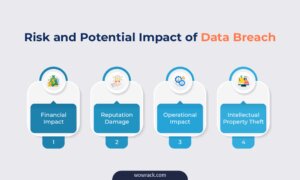
Outdated systems usually create more security risks because they don’t get updates or security patches anymore. Cybercriminals are also more likely to target known vulnerabilities that remain unaddressed in aging environments
Once a cyberattack is successful, it can lead to data breaches, operation disruptions, expenses in data recovery, and eventually, damage to reputation. The financial impact of these security incidents is usually higher compared to the cost of proactive security improvements.
Cost #5: Limited Scalability
When a business grows, their infrastructure should be able to support the increased workloads, users, and applications. When the infrastructure cannot scale effectively, it may cause bottlenecks.
If the business is forced to delay projects or business expansion because their systems are unable to keep up, growth opportunities can be lost. Investing in scalable infrastructure can help businesses to adapt more smoothly to changing demands.
How to Fix Poor IT Infrastructure
Businesses needs to start with addressing the root causes of its inefficiencies and risks.
Modernize Systems
Lots of infrastructure problems start from outdated software and hardware. Before these systems fail, businesses need to replace unsupported systems in order to reduce maintenance needs and strengthen security. Modern technology usually also provides better compatibility with the current applications and cloud services used by businesses.
Move to Cloud
Cloud infrastructure gives businesses access to computing resources without having to take care of large amounts of on-premises hardware, which improves flexibility, scalability, and operational efficiency.
Many opt for managed cloud services to simplify both deployment and administration, as managing cloud infrastructure alone can also be challenging without the expertise to do it. Providers such as Wowrack can help businesses with migrating workloads to the cloud while reducing the complexity of infrastructure management.
Improve Security and Monitoring
With continuous monitoring, businesses can identify issues earlier before they escalate to bigger problems, because monitoring tools can detect unusual activity, decrease in performance, and potential threats in real time.
When combined with stronger security controls, proactive monitoring can help reduce downtime, improve reliability, and minimize risks of costly incidents.
Implement Backup and Disaster Recovery
Failures can still happen unexpectedly even in the most well-maintained environments. Having a reliable backup and disaster recovery strategy can make sure critical data remains available and operations can always resume quickly after incidents.
Businesses that invest in DR strategies are often able to reduce downtime and avoid the costs that are caused by prolonged disruptions.
Partner with Managed IT Experts
Not all businesses have the resources to build a large, dedicated IT team. Partnering with a managed IT service provider can help maintain infrastructure more efficiently without having to hire more staff.
Managed service providers such as Wowrack can help assist with monitoring, maintenance, troubleshooting, infrastructure optimization, helping internal teams to focus more on core business operations.
Modern IT Infrastructure Solutions for Businesses
With technology requirements growing more and more advanced by the day, businesses need an infrastructure that can support their growth without adding complexity. The good news is that businesses do not have to manage this complexity alone, as they can partner with a reliable third-party service provider, such as Wowrack, that can help address challenges associated with poor IT infrastructure. By modernizing tech environments and improving operational resilience, businesses can reduce the hidden infrastructure costs and better support future organizational growth.
Conclusion
The costs associated with poor IT infrastructure extend far beyond hardware purchases and software subscriptions. Downtime, slow performance, security risks, maintenance expenses, and scalability limitations can all create costs that are not too obvious in paper but can impact business performance over the long-term.
By modernizing systems, improving security, implementing DR strategies, and working with experienced infrastructure service providers, businesses can reduce the risks associated with hidden infrastructure costs while building a stronger foundation for long term growth.